|
| | hypercube_lowd () |
| |
| | hypercube_lowd (int dim_in, int s=0) |
| |
| | ~hypercube_lowd () |
| |
| int | set_up (int dim_in, int s=0) |
| |
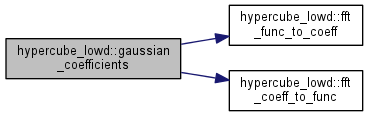
| int | gaussian_coefficients (double *vark, bool add=false) |
| |
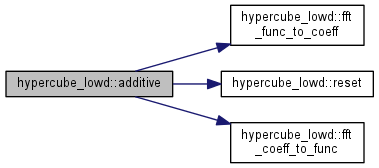
| int | additive (double *additive_effects, bool add=false) |
| |
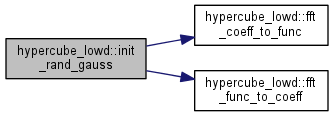
| int | init_rand_gauss (double sigma, bool add=false) |
| |
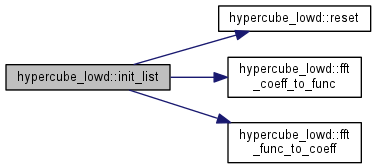
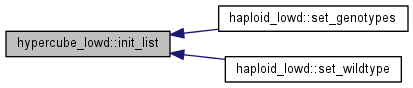
| int | init_list (vector< index_value_pair_t > iv, bool add=false) |
| |
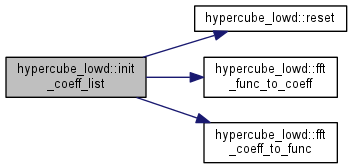
| int | init_coeff_list (vector< index_value_pair_t > iv, bool add=false) |
| |
| void | calc_order () |
| |
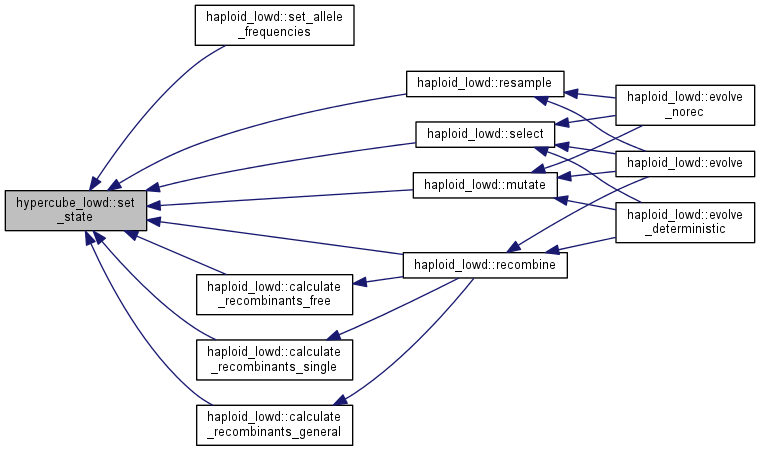
| void | set_state (int s) |
| |
| int | read_coeff (istream &in) |
| |
| int | write_func (ostream &out) |
| |
| int | write_coeff (ostream &in, bool label=false) |
| |
| int | read_func (istream &out) |
| |
| int | read_func_labeled (istream &in) |
| |
| int | signature (int point) |
| |
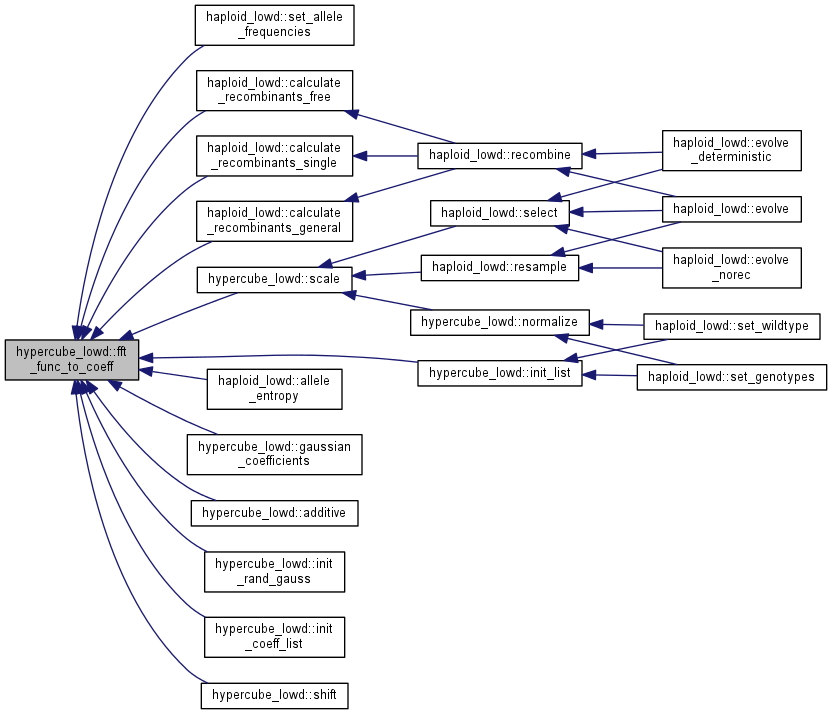
| int | fft_func_to_coeff () |
| |
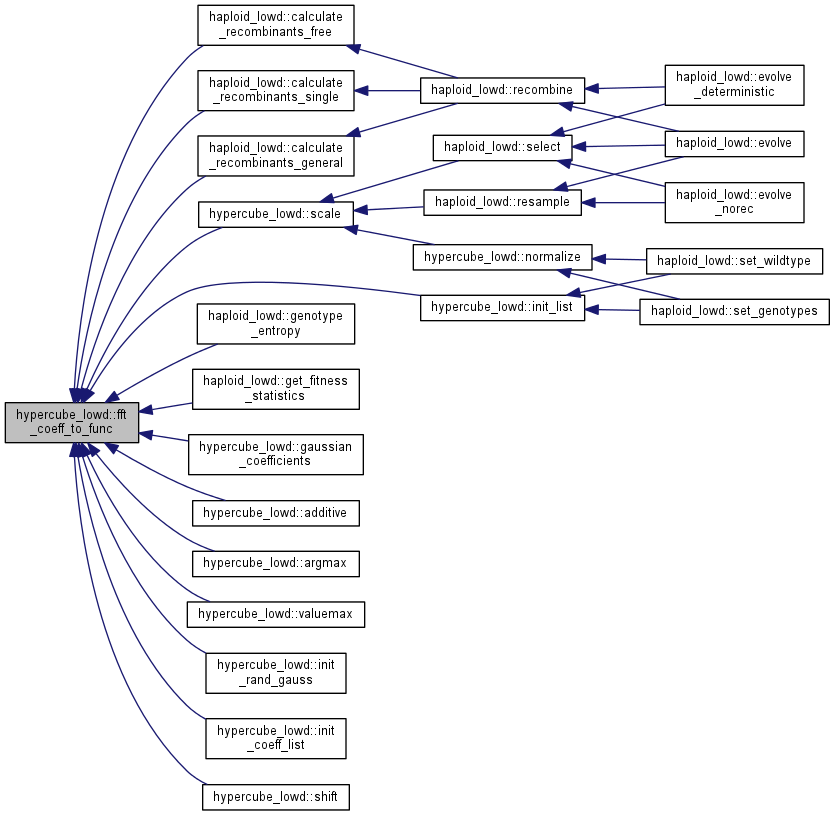
| int | fft_coeff_to_func () |
| |
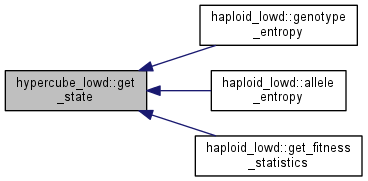
| int | get_state () |
| |
| unsigned int | get_dim () |
| |
| unsigned int | get_seed () |
| |
| double | get_func (int point) |
| |
| double | get_coeff (int point) |
| |
| int | argmax () |
| |
| double | valuemax () |
| |
| void | func_set (int point, double f) |
| |
| void | func_increment (int point, double f) |
| |
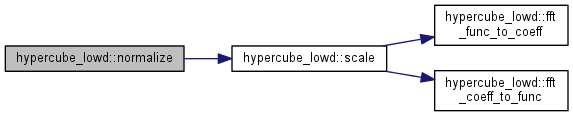
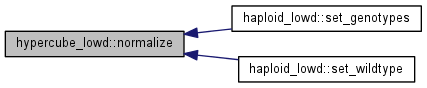
| int | normalize (double targetnorm=1.0) |
| |
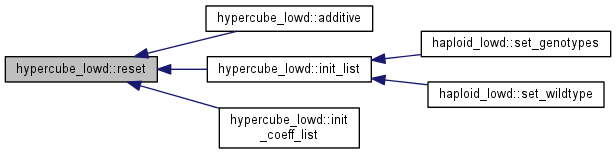
| int | reset () |
| |
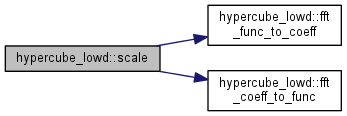
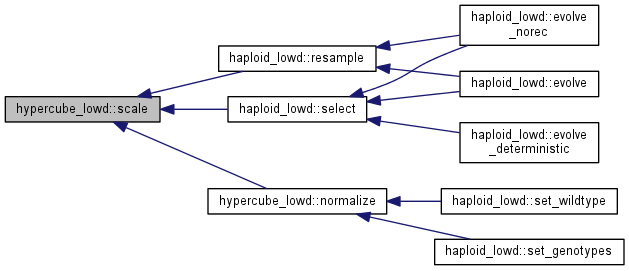
| int | scale (double scale) |
| |
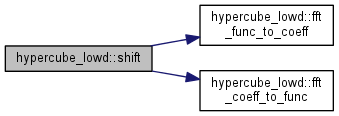
| int | shift (double shift) |
| |
| int | test () |
| |
Binary hypercube_lowd used in low-dimensional simulations.
This class is a generic object that can be used to represent various things, e.g.
- the fitness landscape or any other phenotypic landscape;
- the genotype frequencies of a population with a genome of size L.
If you are planning to model a whole population evolving on the hypercube_lowd, see the class haploid_lowd.
Notes on scalability:
- The number of genotypes to store increases as \(2^L\), where L is the number of sites
- The number of recombination intermediates to be stored increases as \(3^L\), this class can thus only be used for \(L\) up to 20 or so.
- The population size N is actually unimportant, as far as it can be stored as a long integer. In other words, this class scales with N like O(1).





 1.8.3.1
